

A Historic Milestone: Why September 5th is Now the International Day of the World’s Indigenous Women and Girls
A Global Recognition of Resilience and Leadership
In a landmark decision that echoes centuries of struggle and resilience, the United Nations General Assembly officially adopted a resolution on November 26, 2025, designating September 5th as the annual “International Day of the World’s Indigenous Women and Girls.”
This designation is not merely a symbolic gesture on a calendar. It is a profound acknowledgment of the pivotal role Indigenous women play in the survival of their cultures, the protection of our planet, and the fight for fundamental human rights. But to truly understand the weight of this date, we must look back to the high Andes of South America in the 18th century.
The Legacy of Bartolina Sisa: The Spirit Behind the Date
The choice of September 5th is a direct tribute to Bartolina Sisa, an Aymara warrior and a towering figure in the history of Indigenous resistance.
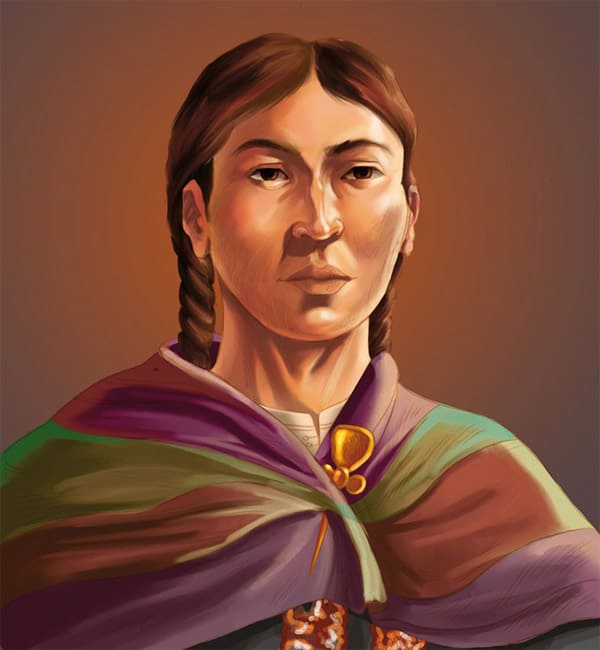
Born in the region known today as Bolivia, Bartolina Sisa was far more than a witness to colonial oppression; she was a fierce military commander. In the late 18th century (circa 1781), alongside her husband Túpac Katari, she led a massive Indigenous uprising against the Spanish colonial rule. Her strategic brilliance and unwavering courage made her a symbol of hope for her people and a formidable threat to the colonizers.
However, her fight for freedom came at the ultimate cost. On September 5, 1782, after being captured by Spanish forces, Bartolina Sisa was brutally executed.
By choosing the anniversary of her death for this International Day, the United Nations is honoring her sacrifice. Yet, the day represents more than one woman; Bartolina’s unyielding spirit serves as an archetype for Indigenous women and girls worldwide who continue to face systemic discrimination, violence, and marginalization while standing as the backbone of their communities.
A Call for Justice, Equality, and Sustainable Development
The UN resolution goes beyond historical remembrance; it is a call to action for the future. Member States, UN entities, and civil society partners are urged to use this day to strengthen concrete measures that advance justice and equality.
The resolution highlights three critical pillars:
1. Guardians of Wisdom and Earth
The UN explicitly recognizes the disproportionate contribution Indigenous women and girls make to the well-being of humanity. They are often the primary custodians of biodiversity and the protectors of the environment. The resolution acknowledges their vital role in:
- The preservation of Indigenous languages and cultural heritage.
- The intergenerational transmission of traditional knowledge.
- The promotion of Indigenous and traditional medicine.
- The safeguarding of maternal health within their communities.
2. Empowerment and Participation
Recognition is insufficient without power. The resolution stresses the urgent need to empower Indigenous women and girls by ensuring their full, equal, and meaningful participation in decision-making processes. Crucially, this participation must be grounded in the principle of Free, Prior, and Informed Consent (FPIC), ensuring their voices are not just heard, but respected in all matters affecting their lands and lives.
3. Global Implementation and Awareness
The General Assembly has requested the Secretary-General to bring this resolution to the attention of all Member States and specialized agencies. The goal is to raise global awareness regarding the necessity of respecting the fundamental freedoms set out in the United Nations Declaration on the Rights of Indigenous Peoples (UNDRIP). This includes supporting Indigenous women in their pursuit of economic, social, and cultural development.
Amplifying Their Voices
The establishment of the International Day of the World’s Indigenous Women and Girls is a victory for human rights. It is a reminder that the fight led by Bartolina Sisa continues today in the defense of land, water, and identity.
As we move forward, this date serves as a rallying cry to stand with Indigenous women—not just as victims of history, but as active agents of change, leaders of sustainability, and architects of a more just future.